
How to Plan Balanced Meals Without Stress: Simple Tips for Healthy Eating
Planning balanced meals can seem overwhelming, especially with busy schedules and countless food choices. However, creating nutritious and satisfying meals doesn’t have to be stressful. With a few simple strategies, you can make meal planning an enjoyable part of your routine that supports your health and well-being.
In this post, we’ll explore practical tips for planning balanced meals without stress. From understanding meal components to organizing your shopping and cooking, these ideas will help you feel confident and prepared in the kitchen.
What Makes a Meal Balanced?
Before diving into meal planning, it’s helpful to know what a balanced meal includes. A well-rounded meal typically contains:
– Protein: Supports muscle repair and keeps you full longer (examples: chicken, beans, tofu, fish)
– Carbohydrates: Provide energy and important nutrients (examples: whole grains, potatoes, fruits)
– Healthy Fats: Aid brain function and nutrient absorption (examples: nuts, avocados, olive oil)
– Vegetables: High in fiber, vitamins, and minerals (examples: leafy greens, carrots, broccoli)
– Fluids: Staying hydrated is part of balanced nutrition (water is best)
Incorporating all these elements in reasonable portions creates meals that fuel your body and keep energy steady throughout the day.
Step 1: Start with a Simple Plan
You don’t need complex recipes to eat well. Begin by deciding how many meals and snacks you want to prepare each week. Then, choose a few staples you enjoy and can prepare easily.
Tips for a simple plan:
– Pick 3–4 proteins you like
– Select 2–3 carbohydrate sources
– Choose a variety of vegetables you find tasty
– Include a couple of healthy fats you regularly use
For example, you could plan grilled chicken, brown rice, steamed broccoli, and a drizzle of olive oil for one meal.
Step 2: Use a Weekly Meal Template
Create a weekly meal template to organize your cooking and shopping. A template might look like:
– Breakfast: Quick options like oatmeal with fruit or yogurt with nuts
– Lunch: Salads, wraps, or leftovers from dinner
– Dinner: A protein + carb + vegetable plate
– Snacks: Fresh fruit, nuts, or cut veggies with hummus
This structure helps you balance nutrition throughout the day and simplifies decisions.
Step 3: Prep Ahead for Stress-Free Meals
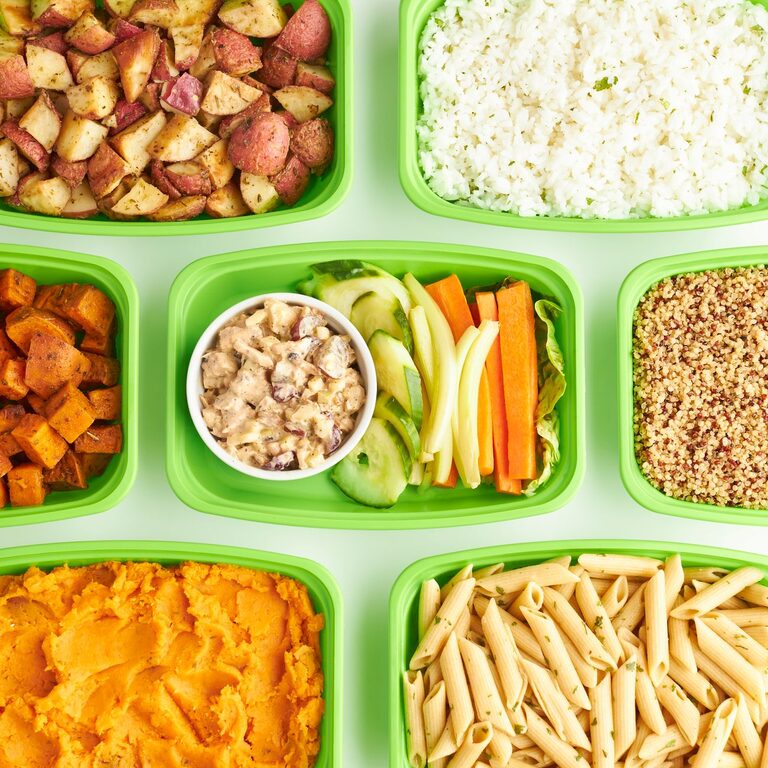
Meal prepping saves time and reduces daily cooking stress. You don’t have to prepare every meal in advance, but doing some work ahead can help.
Easy prep ideas:
– Chop vegetables for the week
– Cook a batch of grains like quinoa or brown rice
– Grill or roast proteins in bulk
– Portion snacks into containers or bags
Storing prepped ingredients in the fridge or freezer means you can assemble meals quickly.
Step 4: Keep Your Kitchen Stocked
Having key ingredients on hand makes balanced meals more accessible. Keep a basic pantry and fridge stocked with essentials such as:
– Canned beans and tomatoes
– Whole grains like oats, rice, and pasta
– Frozen vegetables and fruits
– Cooking oils (olive, avocado)
– Spices and herbs for flavor
With these basics, you can mix and match meals without extra trips to the store.
Step 5: Be Flexible and Kind to Yourself
Remember that meal planning is a tool to help, not a chore. It’s okay to switch things up or eat out occasionally. Balanced eating doesn’t mean perfection — it means making mindful choices most of the time.
If a meal doesn’t come together as planned, don’t stress. Simply do your best the next time. Over time, the process will become easier and more natural.
Sample Balanced Meal Ideas
Here are a few simple meal ideas to inspire your planning:
– Breakfast: Whole grain toast with avocado, cherry tomatoes, and a boiled egg
– Lunch: Quinoa salad with black beans, corn, red pepper, and a lime vinaigrette
– Dinner: Baked salmon, roasted sweet potatoes, and steamed green beans
– Snack: Greek yogurt with honey and walnuts
Final Thoughts
Planning balanced meals doesn’t have to be complicated or time-consuming. By understanding the basics of nutrition, organizing your meals ahead, prepping ingredients, and keeping your kitchen stocked, you can enjoy nourishing meals every day without stress.
Start small, stay consistent, and remember that balanced eating fits your lifestyle—not the other way around. With these tips, meal planning can become a positive and manageable habit that supports your health and happiness.