
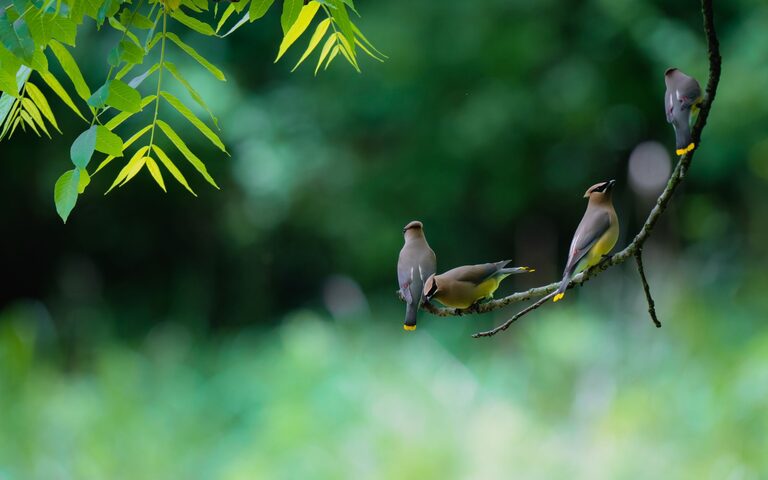
Beginner Tips for Backyard Birdwatching: A Simple Guide to Getting Started
Birdwatching is a relaxing and rewarding hobby that connects you with nature, right from the comfort of your own backyard. Whether you live in a city apartment with a small balcony or have a spacious garden, you can enjoy observing a variety of birds. If you are new to birdwatching, this guide offers practical tips to help you get started and make the most of your experience.
Why Backyard Birdwatching?
Backyard birdwatching is a great way to unwind, learn about local wildlife, and appreciate the natural world. It requires minimal equipment and can be enjoyed at any skill level. Watching birds can also help you understand the environment and contribute to their conservation by creating bird-friendly spaces.
Getting Started: What You Need
You don’t need fancy gear to begin. Here’s a simple list to help you prepare:
– Binoculars: A basic pair of binoculars helps bring birds into clearer view. Look for ones that are lightweight and offer magnification around 8x or 10x.
– Bird Field Guide or App: Identifying birds is easier with a good guidebook or a smartphone app. Apps often have photos and bird calls for reference.
– Notebook or Journal: Keeping a birdwatching journal allows you to record the types of birds you see and note their behavior.
– Bird Feeder and Food: Attract birds to your yard by offering suitable food like sunflower seeds, suet, or nyjer seeds.
Create a Bird-Friendly Backyard
Making your yard welcoming for birds encourages more visits and makes watching easier.
Provide Food
– Use a variety of feeders to attract different bird species.
– Refill feeders regularly and keep them clean to prevent diseases.
– Offer native seeds and avoid processed foods.
Offer Water
– Place a birdbath with fresh water to provide drinking and bathing spots.
– Change the water frequently, especially in warm weather.
– Consider adding a small fountain or dripper to keep water moving, which attracts birds.
Plant Native Vegetation
– Grow shrubs, trees, and flowers native to your region.
– Native plants provide natural food sources like berries and insects.
– Dense bushes offer shelter and nesting places.
Provide Shelter and Nesting Sites
– Leave some leaf litter or small brush piles for ground feeders.
– Put up birdhouses suitable for local species.
– Avoid excessive yard cleanup; natural debris can be valuable habitat.
Tips for Observing Birds
Be Patient and Quiet
Birds are easily startled. Choose a comfortable spot and remain still and silent for the best chance to observe them up close.
Use Your Senses
Listen for bird songs and calls; they can help you identify species even before you see them.
Observe Behavior
Note how birds feed, fly, and interact. Behavior is a key clue in identification and understanding bird life.
Record Your Sightings
Write down or photograph birds you see. Over time, you’ll build a personal record to track seasonal changes and species variety.
Common Backyard Birds to Watch For
Depending on your location, you might spot:
– Sparrows
– Cardinals
– Blue Jays
– Chickadees
– Finches
– Woodpeckers
– Robins
Learning about these common neighbors is a good starting point.
Responsible Birdwatching
Respect birds and their environment by following these guidelines:
– Avoid disturbing nests or young birds.
– Use feeders as a supplement, not a sole food source.
– Keep cats indoors or supervised to protect birds.
– Support local conservation efforts and educate others.
Join a Community
Connecting with other birdwatchers can enhance your experience. Many areas have birdwatching clubs, online forums, or citizen science projects like eBird, where you can share sightings and learn from others.
Conclusion
Backyard birdwatching is a delightful hobby that welcomes people of all ages and backgrounds. With a little preparation and patience, you can attract a variety of birds to your outdoor space and enjoy the beauty of nature every day. Take your time, observe carefully, and most importantly, have fun exploring the wonderful world of backyard birds.
